
INDOOR SKI CLUB · BUSINESS PLANNING · LAUNCH & GROWTH
Build an Indoor Ski Centre Business You Can Be Proud Of
PROLESKI brings together in-house manufacturing, ski club experience and comprehensive project support — from your first idea to daily operation and future growth.
Imagine a place where a child makes a first turn, an adult prepares for a long-awaited mountain trip and an experienced skier finds a coach and a community. You can create that place in your city. We help connect its value for people with the equipment, organisation and economics behind the business.
Discuss My Ski Club Business Plan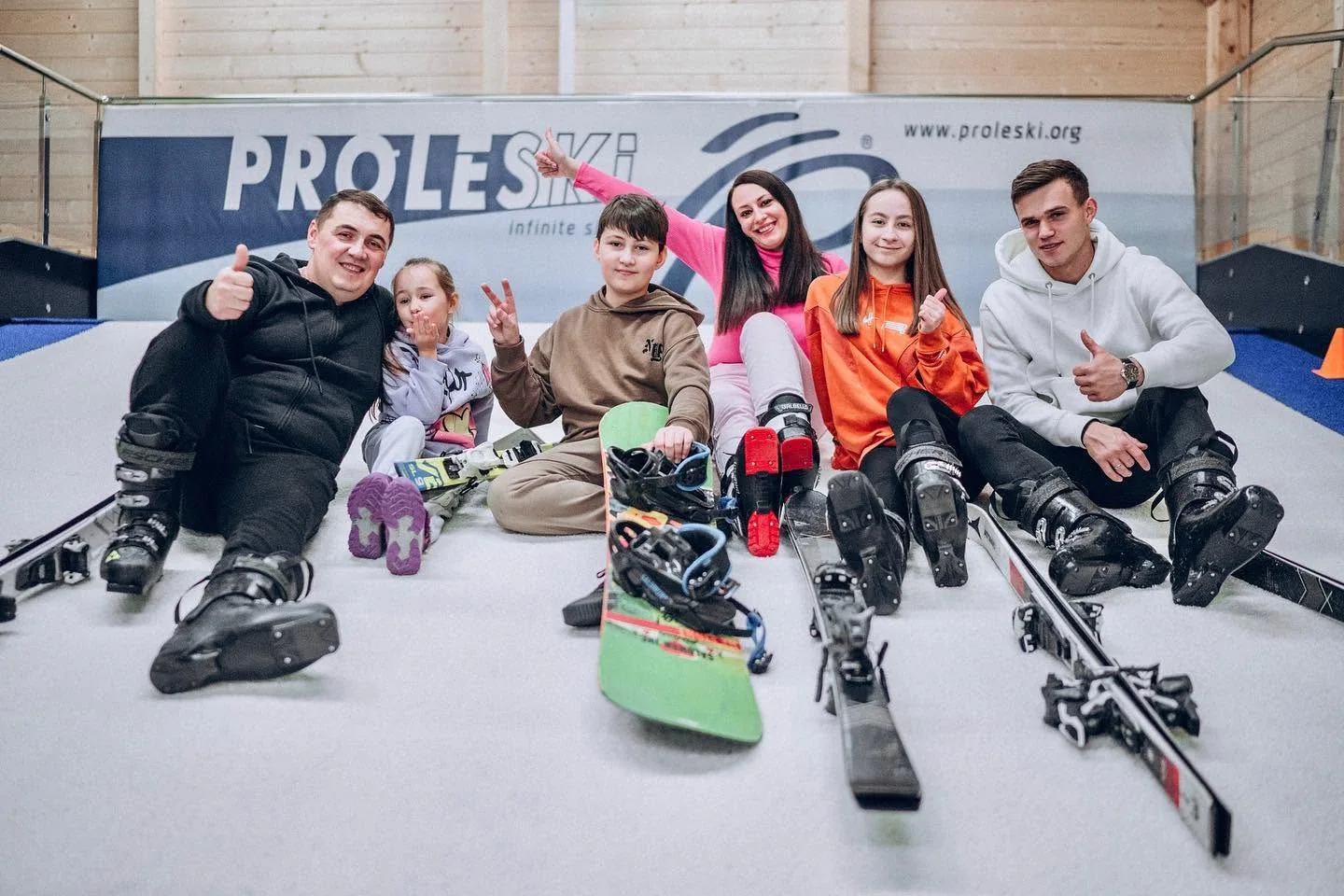
Manufacturer Expertise. First-Hand Club Experience.
We understand an indoor ski club from two perspectives: developing the equipment and helping create and organise the business around it. That experience connects engineering decisions with practical questions for an owner: who to welcome, what to teach, how to schedule lessons and how to prepare a team.
Behind PROLESKI equipment are structural designers, metalworking, mechanical and electronics specialists, software developers and a team experienced in space planning. You discuss your future club with people who understand the journey from the machine's supporting structure to a customer's lesson.
152 simulators installed in more than 20 countries — according to PROLESKI records as of September 2026. International installations complement our own club experience and help us consider different project conditions.
Meet the people and manufacturer behind PROLESKI →What We Help You Prepare for Your Business
Our work together starts with your goals. We can build a comprehensive solution that connects your premises, ski simulators, programmes, team and financial model. The scope and deliverables of each stage are defined in your project proposal.
Concept & Business Model
Your audience, club format, services, occupancy scenarios, investment and cost structure, and launch priorities.
Space & Equipment
Model selection, configuration, layout and zoning, an architectural concept and interior visualisation.
People & Organisation
Instructor preparation, equipment training, scheduling principles, customer service and daily operating routines.
Opening & Development
Installation and commissioning, agreed marketing support, technical assistance and planning for the next stage.
You can draw on connected capabilities within one team. Responsibilities for PROLESKI, local contractors and your staff are agreed in advance, making the preparation process manageable.
Create a Place That Matters to Your City
An indoor ski club can become a school for children, a place for families to prepare for holidays, a training venue for recreational skiers and a meeting point for people who love the mountains. For an entrepreneur, it is an opportunity to build a distinctive business around skills, experiences and relationships.
Start with a clear answer: who needs this place, and why will they choose you? A good lesson, an attentive instructor, convenient booking, suitable equipment and a welcoming atmosphere turn curiosity about a ski machine into a personal experience.
Our role is to help you create the conditions for a strong idea to become a quality service. Your team gives the club its character, earns trust and makes it part of local life.
Give People a Passion They Can Grow With
- Physical activity with a clear purpose. Work on endurance, leg strength, balance and coordination is connected to learning a practical skill.
- The satisfaction of personal progress. A first confident turn, more precise movements and the next level of technique give each session a meaningful goal.
- Engagement and fresh challenges. Learning demands attention and offers continuing opportunities to refine technique.
- A shared interest for family and friends. Programmes for different ages and ability levels help build a community around your club.
- A year-round connection to the mountains. Preparing for trips and continuing to practise afterwards give the club a natural place in a skier’s life.
For a club owner, these motivations provide a foundation for a varied service offer: introductory sessions, progressive courses, private coaching, family programmes and preparation for ski holidays. When customers understand what they have achieved and what they can learn next, the club has a meaningful reason to offer the next stage of training.
One Club. Different Reasons to Start and Continue.
The Beginner
Wants a confident introduction, help with equipment and a first understanding of movement. A clear introductory lesson, manageable course and attentive feedback matter.
The Seasonal Skier
Is preparing for a particular trip. Convenient scheduling, relevant technical tasks and a programme linked to that goal make the offer meaningful.
The Experienced Skier
Seeks technical development, individual challenges and informed coaching. Their journey may include regular practice and club life over many years.
Children's and family formats, snowboard programmes and work with professional athletes need their own planning, with suitable specialists, equipment and training conditions. Pricing and group size should reflect each service.
As customers progress, your offer develops with them. Completing an introductory course opens a conversation about the next goal: consolidating skills, preparing for snow or working on a specific technique.
Turn Equipment Capabilities into Services People Understand
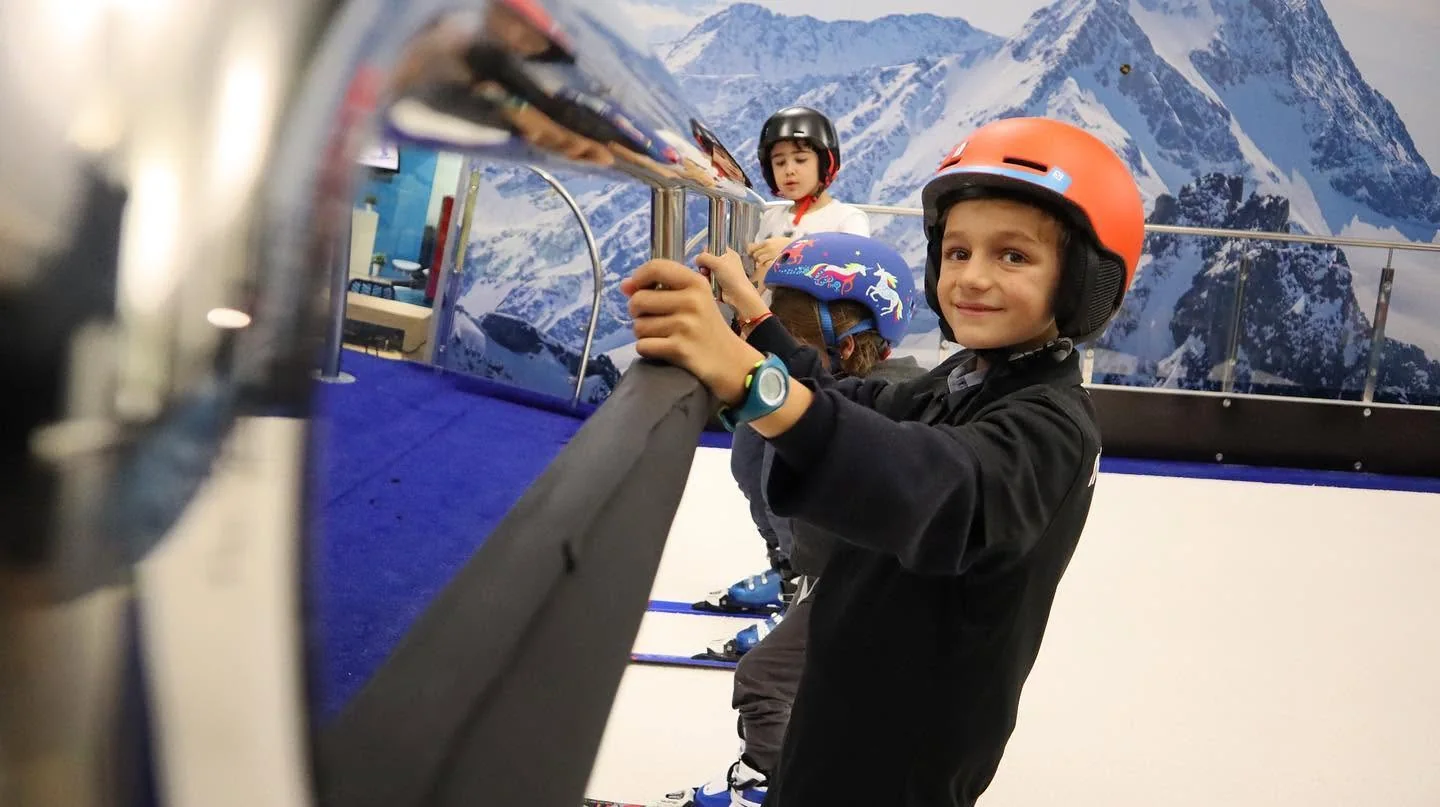
We encourage you to develop a service offer around a customer's progression. Each format needs a purpose, price, duration, instructor requirements and a clear next step.
| Format | Value for the Customer | The Owner's Task |
|---|---|---|
| Introductory session | Discover skiing and meet the instructor | Make booking clear and the first experience welcoming |
| Level-based course | Work through a sequence of learning tasks | Coordinate programmes, groups and timetables |
| Private coaching | Focus on individual technique | Account for instructor attention and hourly economics |
| Pre-trip preparation | Train towards a specific goal | Connect course dates with customer plans |
| Regular practice and club programmes | Continue learning and meeting people | Offer a meaningful reason to return |
Lesson packages, membership, family offers and events are selected for your market. Define what is included, how purchased time is used and how cancellations and rescheduling are handled.
Give the Mountain Experience a Continuing Place in Your Club
A love of the mountains creates a goal worth preparing for. Before a trip, the club offers regular practice; afterwards, it provides a place to explore new experiences and technical questions. Customer relationships gain a natural purpose at different times of year.
In the full PROLESKI ski programme, city practice connects with skiing on real snow accompanied by the club's instructor. Where this format is selected, the local club forms a group and arranges the trip through a suitable travel partner. Roles, terms and included services are agreed separately.
On snow, the instructor helps participants adapt their skills to the real environment. Club meetings, equipment discussions, family events and shared activities can sustain relationships between trips. Their value comes from people's interests and thoughtful organisation.
Choose the Partnership Model That Fits Your Project
A Club Under Your Own Name
Develop your brand using PROLESKI equipment and an agreed package of teaching and operating know-how. This can suit an independent school or a new direction within an existing business.
A Branded PROLESKI Club
Discuss operating under the PROLESKI Club name with its standards and club system. Brand rights, support, territory and commercial terms are defined in a separate agreement.
Your venue might be a dedicated ski school, a club with social space, part of a sports complex or a hospitality project. A café, shop or events area makes sense where it fits demand and resources; each needs its own costs and results assessed.
A resort project, mobile venue or multisport operation requires its own operating model. City ski-club economics do not automatically transfer to another format.
Start with People, Place and a Realistic Scale
Before finalising your equipment configuration, consider where customers will come from, how far they will travel and which lessons fit their week. Together, we can connect that information with equipment requirements and your venue format.
- Audience: families, adult beginners, mountain enthusiasts, schools, sports organisations and your venue's existing customers.
- Access: neighbourhood, transport, parking, a visible entrance and convenience for visitors with children.
- Local market: alternative leisure activities, lesson pricing and purchasing habits.
- Premises: dimensions, ceiling height, installation access, technical services and supporting areas.
- Resources: a club manager, instructors, a launch budget and working capital while occupancy develops.
Discussing these questions early helps define a sensible starting scale and identify the project conditions that need further work.
Understand How Your Club Will Earn Its Revenue
A financial model should connect your timetable, services sold and operating costs. We can help build it around explicit project inputs and explore different demand scenarios.
Launch Investment
Simulators and options, delivery, applicable customs and taxes, installation, premises preparation, fit-out, customer equipment, training, launch marketing and working capital.
Revenue
Lesson formats, paid participant places, prices after packages and discounts, opening hours, weekday and weekend occupancy, seasonality and the ramp-up period.
Operating Costs
Rent, staff, utilities, customer acquisition, insurance, administration, servicing, consumables and provision for replacement of wearing parts.
Calculate Working Capacity for Each Service
The maximum number of users on a simulator is not the number of paying participants in every lesson. Introductory groups, experienced skiers and private technical coaching have different group sizes, instructor needs and preparation times. Build your model around an actual timetable and the permitted modes of the chosen machine.
Test the Strength of the Plan
Conservative, base and stronger-demand scenarios show how results change with occupancy, pricing and costs. Review launch-period cash needs, seasonal variation and break-even occupancy. Operating results, cash flow and recovery of the initial investment are assessed separately.
You make your decision with a clear view of assumptions and sensitivities. Actual results depend on the local market and your team's execution; the payback period must be calculated for your business.
Draw on Experience Beyond the Presentation
PROLESKI materials describe a client network operating our equipment since November 2019: five active clubs and ten simulators. It is an example of several years of lesson delivery and multi-location development by an independent operator.
Client-network data reported in PROLESKI materials. These are participant visits, not unique individuals; sessions are 50 minutes in groups. The market has no domestic ski resorts. This is one network's experience on Vertical models, not a forecast for a new club or PRO1DMS. These figures do not establish profit or payback.
Both the figures and the organisation behind them are useful: progressive programmes, scheduling, staff preparation and customer acquisition. The operator's results come from daily execution; our role is to supply the equipment and knowledge that can support it.
Choose Technology That Brings Your Club Concept to Life
In-house development lets PROLESKI connect machine design, control systems and training programmes. We continually improve our equipment and software, focusing on reliability, instructor usability and regular commercial operation.
Direction is PROLESKI's own patented technology: simultaneous longitudinal and lateral platform tilt combines with adjustable tilt speed and acceleration, alongside belt-speed control. It gives your club the ability to offer practice in changing conditions with an instructor who understands how to use those modes.
Depending on your goals, select the fixed incline of Optimal, the adjustable longitudinal incline of Vertical, or the capabilities of Direction and Sport. Audience, programmes, space and budget all inform the choice; each series has a role.
For projects involving additional sports, we can separately explore compatible solutions, including PRO1DMS Dexterity. Disciplines, surfaces, qualified staff and economics are defined for that service. Results from established ski clubs do not automatically transfer to a new model.
Compare simulator series and models →Plan the Whole Customer Journey Inside Your Club
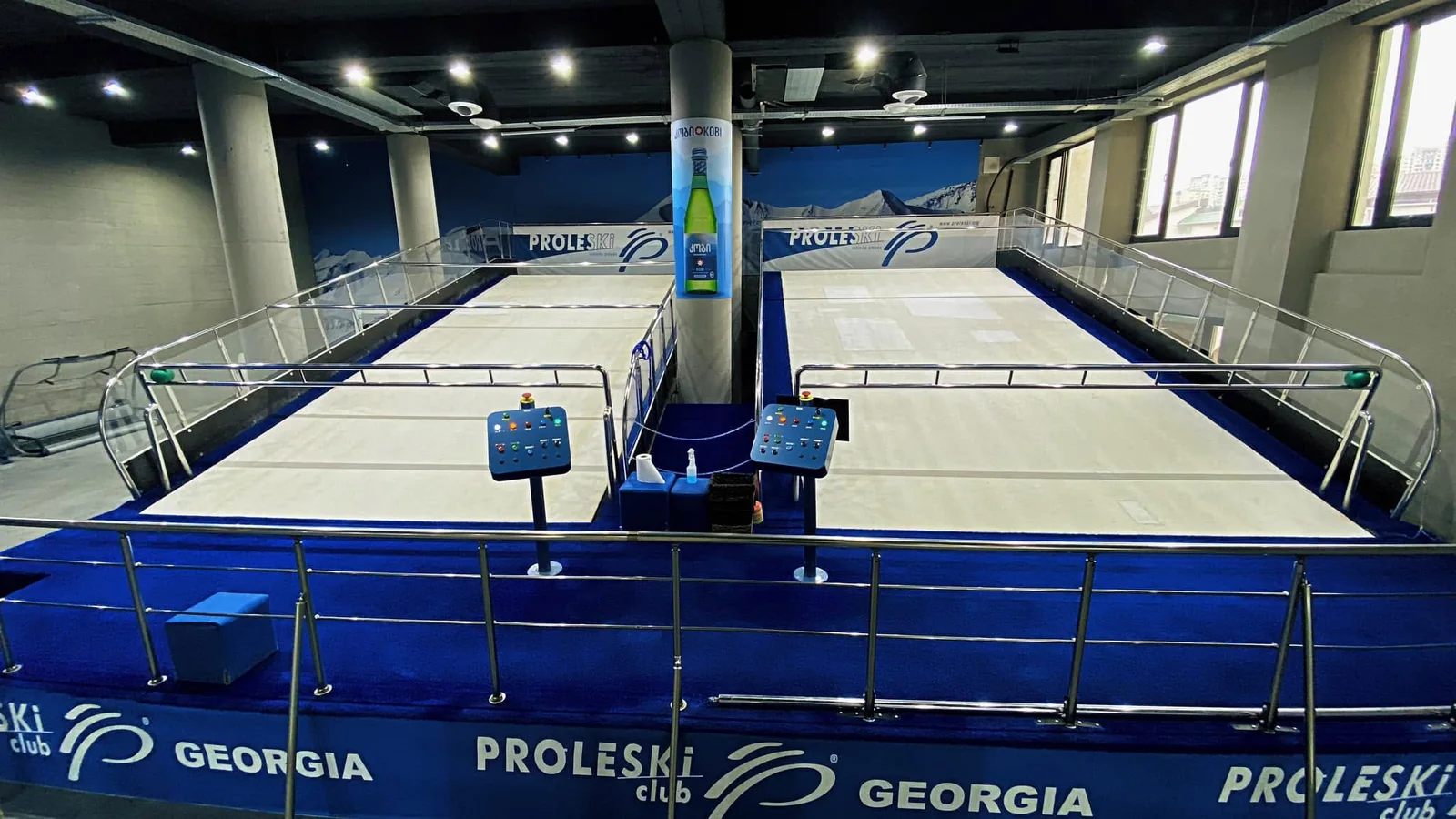
A thoughtful layout connects the training area with reception, equipment preparation, waiting and relaxation. The next group should be able to prepare without disrupting a lesson; parents should know where to wait, and staff should have space to work.
PROLESKI can prepare equipment placement, zoning, an architectural concept and 3D visualisation. See your future club before installation and discuss it with your team, landlord and local specialists.
Delivery and assembly access, technical connections, maintenance access and applicable premises requirements are considered early. PROLESKI project solutions are coordinated with local designers and contractors within their respective responsibilities.
Prepare a Team Your Customers Can Trust
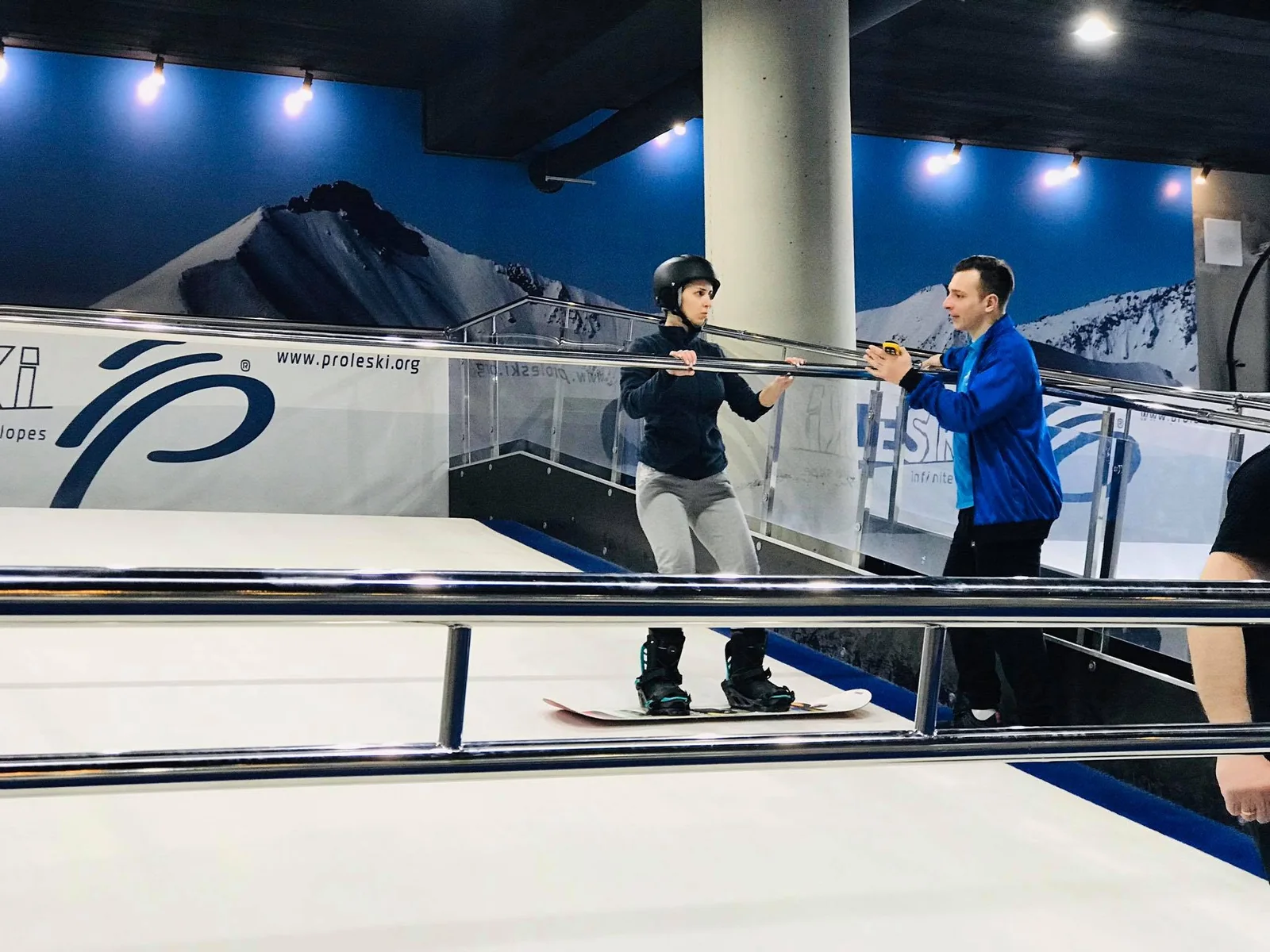
An instructor makes equipment capabilities meaningful to a person. Communication, task selection and attention shape the quality of a lesson and a customer's desire to continue.
PROLESKI's ski and snowboard instructor training programme lasts 7–10 days. Participants' progress is assessed at completion and PROLESKI instructor certificates are issued. Training content is agreed around the equipment and the club's needs.
Daily operation also requires clear roles: venue management, bookings and customer communication, equipment preparation, lesson delivery and operating supervision. In a small team, roles may be combined while maintaining the necessary competence and oversight.
If an investor has not yet appointed a club manager, preparation of a nominated operator can form part of the project discussion. Establish early who will make daily decisions and take responsibility for service quality on site.
Give Marketing a Clear Job at Every Stage
A new club needs a continuing flow of people into their first lesson. Existing customers also need a clear next stage in their programme. Both depend on coordinated work between marketing, reception and instructors.
- Before opening: define the offer, show the space and lessons, and build contacts with local schools, sports organisations and suitable partners.
- First enquiry: respond promptly, explain the format and preparation, and offer convenient times and clear terms.
- First lesson: provide a warm welcome, help with equipment, set an understandable task and discuss the experience.
- Next step: recommend a suitable course or programme based on the customer's goal and the instructor's feedback.
- Ongoing relationship: share relevant lessons, seasonal programmes and events with respect for customers' interests and communication preferences.
We can help shape your project's marketing approach. Specific materials, channels and support are agreed separately. Advertising budgets, local partnerships and enquiry handling need named owners in your team.
Review the cost of acquiring a paying customer, progression from a trial to a course and actual repeat purchases. These measures help improve the offer and guide spending.
Make Quality a Repeatable Part of Every Day
A strong club is consistent: customers know how to book and prepare, instructors understand the group's task, and equipment is maintained according to its requirements. PROLESKI's operating experience helps you discuss these processes before launch.
Scheduling & Customer Care
Levels and lesson formats, preparation for the next group, cancellation rules, waiting areas, equipment and feedback.
Records & Management
Bookings, delivered sessions, participant visits, paid occupancy, instructor hours and costs are tracked separately.
Booking and customer-management solutions are selected around the operation; functions, integrations and terms are confirmed during selection. Records should help staff understand schedules, customer interactions and next steps.
Regular reviews of occupancy and results inform changes to the timetable, programmes or staffing. They give the manager a clear picture of the business and a basis for subsequent decisions.
Move from Idea to Launch Through Clear Stages
Project Conversation
City, audience, premises, budget, owner goals and intended operator.
Concept & Initial Assessment
Club format, services, suitable equipment and the main economic assumptions.
Agreed Solution
Configuration, layout, services, responsibilities, delivery terms and a work plan.
Premises & Team Preparation
Site works, recruitment, booking arrangements, marketing preparation and training plans.
Installation, Commissioning & Training
Equipment installation, required checks, staff preparation and rehearsing daily processes.
Opening & Refinement
First lessons, feedback, timetable adjustments, support and developing the offer around actual demand.
Timing depends on configuration, manufacturing, delivery and site readiness. The plan is agreed for your project so that equipment, premises and staffing decisions support one another.
Keep a Direct Connection to Your Manufacturer
Support continues when real operating questions begin. Your staff can contact specialists who understand the equipment's structure and software.
36-Month Warranty
PROLESKI equipment and its training surface are covered in accordance with the warranty terms of the supply agreement.
Free Remote Support
Technical and software support during and after the warranty period. There are no mandatory subscriptions for this support.
Maintenance Planning
Advice on preventive work, wearing parts and surface replacement, taking account of equipment and operating conditions.
If a warranty issue requires an on-site specialist, warranty work is carried out free of charge; return flights are paid separately. Detailed service and supply terms are set out in the contract.
Your team knows who to contact and how to organise the technical side of club operation.
Installation, training and after-sales support →Build a Foundation You Can Grow From
Your next stage may begin with a better timetable, a new programme, another instructor or an additional simulator. Identify the purpose of each step: meeting demonstrated demand, improving quality or serving a suitable new customer segment.
Once one venue has established a sound operation, its experience can inform a second club. Repeatability involves equipment and interiors, manager preparation, service standards, records and a separate assessment of the new location.
PROLESKI can support equipment selection and technical planning for expansion. Your growth builds on the results of the existing business and an agreed scope of further support.
There is a meaningful opportunity to create a place in your city where people learn, meet and prepare for new experiences. PROLESKI's expertise supports its technical and organisational foundations; your team shapes its character and everyday quality.
What Else Should You Know Before Starting?
Can I open a club without experience running a ski school?
Yes. You can begin with entrepreneurial experience and prepare a specialist team. Identify the manager or operator, instructors and their responsibilities early. Staff preparation and operating support can be discussed within the project scope.
Do I have to use the PROLESKI Club name?
No. You can develop your own brand with PROLESKI equipment and an agreed package of know-how. Use of the PROLESKI Club brand is a separate partnership format with contractual terms.
How much should I invest, and when will the project pay back?
That depends on configuration, delivery, premises, service prices, costs and occupancy. The equipment proposal and club financial model are reviewed together as distinct parts of the project. An individual calculation sets out scenarios and the assumptions they require.
Can the club operate throughout the year?
The equipment allows indoor lessons throughout the year. Commercial occupancy depends on local demand, the calendar, programmes and marketing. Seasonal variation belongs in the business model.
Can I purchase equipment only?
Yes. Equipment, training, a club programme, business support and brand rights are separate elements. We select a scope suited to your goals and resources.
Can skiing be combined with other sports?
Compatible solutions and separate programmes can be explored. Requirements depend on the model, surface, discipline and staff qualifications. Multisport needs its own operating and economic model.
Where do I start if I have no premises yet?
Tell us about your city, audience, proposed format and budget. This allows discussion of equipment scale and site-selection criteria before you commit to a particular property.
Let's Turn Your Idea into a Project You Are Ready to Build
Tell us how you see your future club. We are ready to discuss it as a manufacturer, developer and business-building partner — with attention to people, space, technology and economics.
Discuss My Ski Club Business PlanFor a first discussion: city and country, premises availability and dimensions, ceiling height, intended audience, investment range, preferred timing and who will manage the club. If some questions are still open, start with what you know.
